Heartbreak Danger: Why Men Are More Likely to Die from Broken Heart Syndrome!
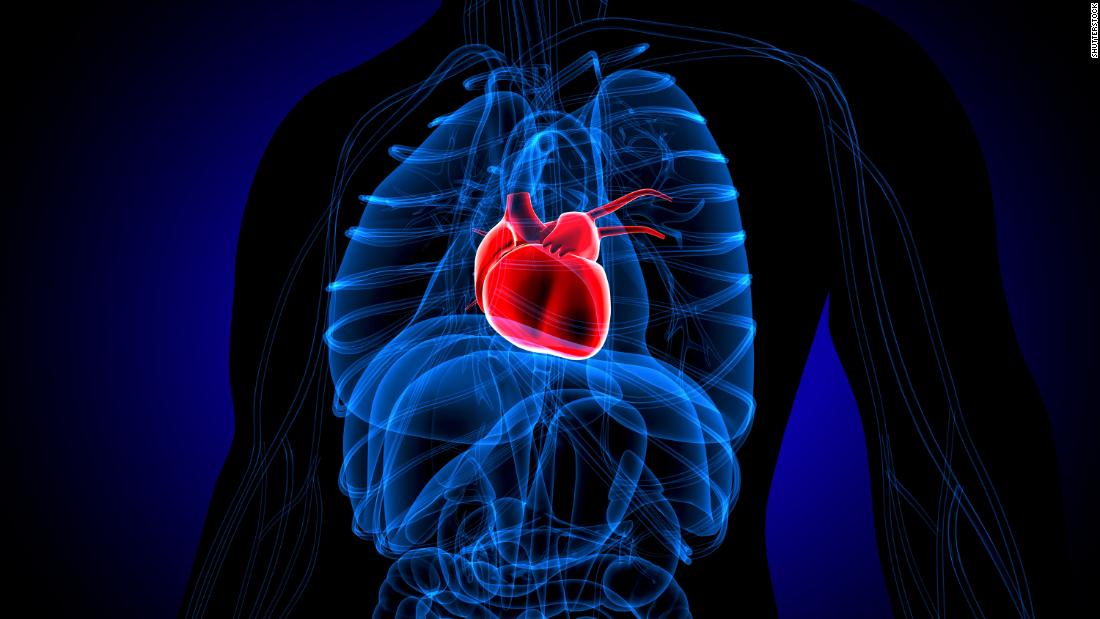
Heartbreak. We often think of it as an emotional experience, a painful chapter in the story of love and loss. But could it actually be a physical threat, especially for men? Emerging research suggests that "broken heart syndrome," also known as Takotsubo cardiomyopathy, poses a greater risk to men than women.
Takotsubo cardiomyopathy mimics a heart attack. Individuals experience sudden chest pain, shortness of breath, and an irregular heartbeat. These symptoms arise from a surge of stress hormones, such as adrenaline, that temporarily weaken the heart muscle. The left ventricle, the heart's main pumping chamber, may enlarge and change shape, resembling a Japanese octopus trap (hence the name Takotsubo).
While both men and women can develop this condition, studies indicate that men are not only more likely to be diagnosed with it, but they also face a higher mortality rate. Researchers at St. James's University Hospital in Leeds, United Kingdom, presented findings at the European Society of Cardiology conference showing that men diagnosed with Takotsubo cardiomyopathy had a significantly higher risk of dying in the following years compared to women with the same condition. The research team analyzed data from a large international registry, observing thousands of patients across the globe.
The reasons behind this disparity are complex and not fully understood. Some experts theorize that men may experience stress differently than women, leading to a more pronounced hormonal response that damages the heart. Dr. Marielle Brunette, a cardiologist at the Montreal Heart Institute, suggests that men are often less likely to seek medical attention for emotional distress, potentially delaying diagnosis and treatment of the underlying condition.
Another contributing factor might be pre-existing cardiovascular conditions, which are statistically more common in men, exacerbating the effects of Takotsubo cardiomyopathy. Lifestyle factors, such as smoking and higher alcohol consumption rates, also contribute to the increased vulnerability.
The European Society of Cardiology (ESC) recommends that healthcare professionals be particularly vigilant when treating men presenting with symptoms of a heart attack, especially if there has been a recent stressful event. Early diagnosis and appropriate management, including medications to support heart function and stress management techniques, can significantly improve outcomes.
Beyond medical interventions, promoting mental health awareness and encouraging men to seek support during times of emotional distress is crucial. Openly discussing feelings and developing healthy coping mechanisms can help mitigate the physiological effects of stress and reduce the risk of developing broken heart syndrome in the first place. The World Health Organization (WHO) emphasizes the importance of addressing mental health globally, advocating for accessible and affordable mental healthcare services.
The reality is that heartbreak can have real physical consequences. Understanding the increased risk for men, recognizing the symptoms of Takotsubo cardiomyopathy, and prioritizing both physical and emotional well-being are essential steps in protecting heart health after loss. Further research is underway at institutions across the globe, from the National Institutes of Health (NIH) in the United States to research centers in Tokyo, Japan, to better understand the underlying mechanisms and develop targeted treatments for this condition. Ultimately, addressing the connection between the heart and mind is vital for promoting overall health and longevity, particularly for men facing emotional hardship.


Comments
Post a Comment